Bristol Tue–Sat 10:00–18:00 +44 117 329 4418

Studio notes

Short, practical articles from our Bristol tutors — written for hand embroiderers, not machine sewists.

Illustration of even thread paths across fabric

12 March 2026 · Technique

Getting hoop tension right without warping the weave

A hoop that is too loose will leave stitches looking uneven; one that is too tight can distort linen. We prefer a firm drum-like surface with the grain still looking square. Check the weave after tightening, then re-check after your first row of stitches — fabric often settles once the needle starts travelling.

If you are working a larger motif, loosen and re-seat the hoop periodically so the worked area does not stay stretched for days. Cotton and linen behave differently; wool crewel grounds usually need a gentler hand than tightly woven cotton.

Three fabric swatches for embroidery grounds

28 February 2026 · Materials

Choosing fabric for hand embroidery in a UK climate

Humidity and central heating both affect natural fibres. For beginners we recommend a mid-weight cotton or linen blend that holds a hoop well without fighting the needle. Very open weaves look beautiful for sashiko-style work but can frustrate first satin-stitch attempts.

Pre-wash only when the finished piece will be washed later. For framed work, a light press and careful transfer method usually matter more than laundry prep. Keep scraps labelled by fibre — mixing wool and cotton in the same slow-stitch collage is fine if you accept different drape and dye behaviour.

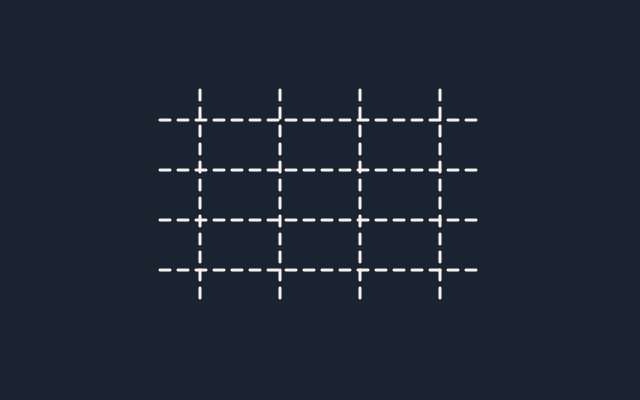
Sashiko running stitch grid on dark cloth

4 February 2026 · Practice

Finding a sashiko rhythm you can keep

Even running stitch is less about speed and more about a repeatable loading motion. Load three to five stitches on the needle when the fabric allows, keep your wrist relaxed, and pause to check spacing every few centimetres. Marking lightly with chalk or a hera marker helps more than guessing.

In our Bristol sashiko sessions we start with a simple grid before any decorative pattern. Once spacing feels automatic, geometry becomes enjoyable rather than stressful. Bring reading glasses if you use them at home — dark indigo cloth can be harder to see under evening light.

Goldwork practice motif outline

18 January 2026 · Studio life

Why our goldwork intro stays deliberately small

Metal threads are beautiful and unforgiving. They do not travel through fabric the way stranded cotton does, and sharp cut ends deserve respect. That is why Quietstitch Studio keeps introductory goldwork to a full day with a low seat count and a structured safety briefing before anyone cuts pearl purl.

Students leave with a small practice piece and notes they can return to. We would rather you finish calmly than rush a larger design. If you are unsure whether your hand embroidery experience is ready, email Clara’s team with a photo of recent work and we will advise honestly.